Supply Chain Route Planning Best Practices
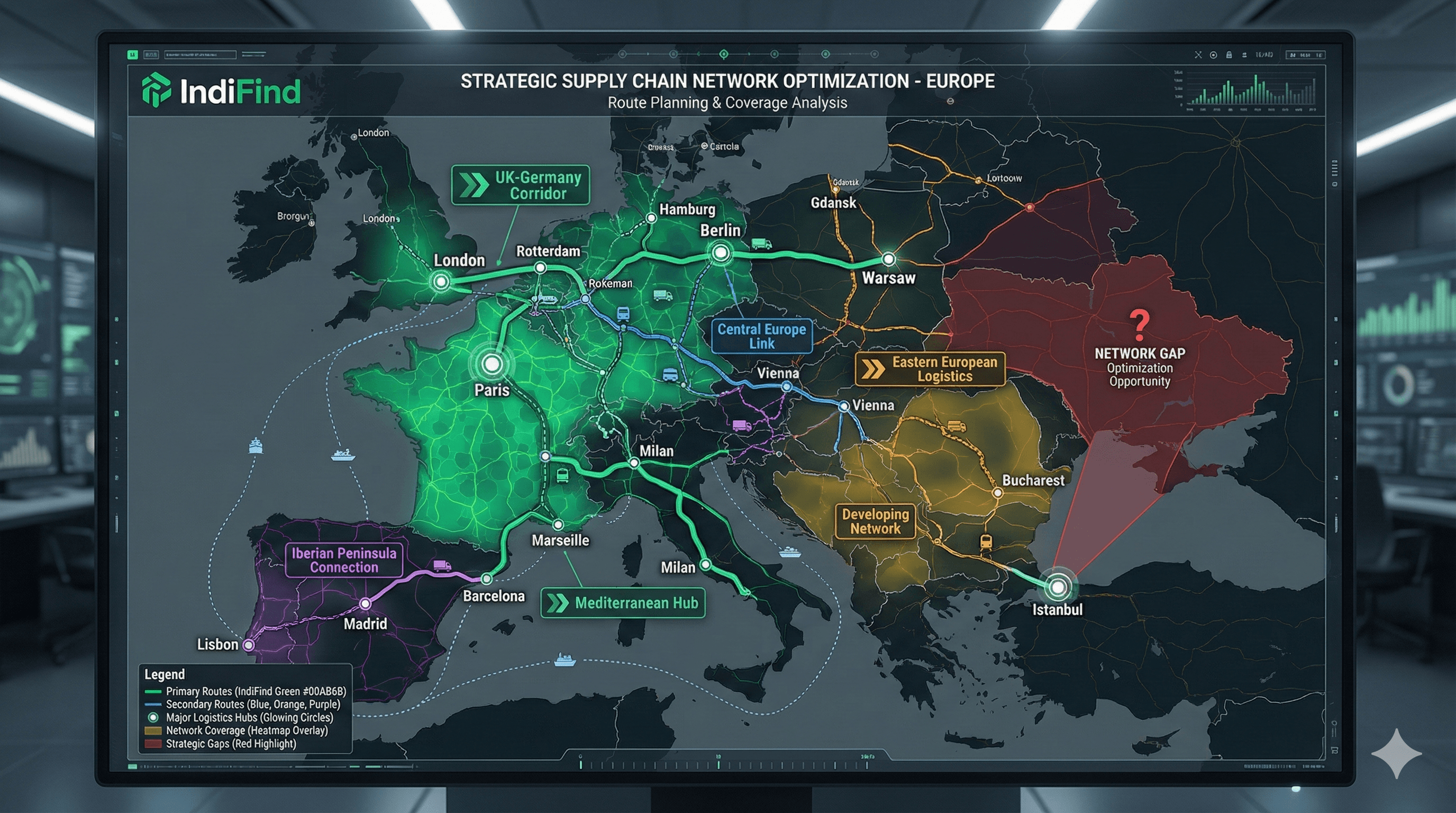
Effective route planning transforms your property search from reactive to strategic. Instead of searching randomly, you build a network that covers your entire supply chain.
Here's how to plan routes that save time and find better properties.
Why Route Planning Matters
Strategic route planning delivers:
- Complete coverage: See your entire network at once
- Gap identification: Find missing locations
- Expansion planning: Plan for future growth
- Time savings: Search multiple cities simultaneously
The alternative: Searching city by city, missing opportunities, wasting time.
Planning Your First Route
Step 1: Map Your Current Operations
Start with where you operate now:
- List current locations: Where do you have facilities?
- Identify key cities: Which cities are critical?
- Map connections: How do locations connect?
- Note gaps: Where are you missing coverage?
Example:
- Current: London warehouse
- Need: Distribution in Germany
- Gap: Nothing between London and Berlin
Step 2: Identify Coverage Gaps
Use the map to see what's missing:
- Between locations: Cities along your corridors
- Market coverage: Areas you don't serve
- Strategic positions: Key logistics hubs
- Expansion opportunities: Growth markets
Step 3: Build Your Route
Click cities on the IndiFind map:
- Start with essentials: Your most important cities
- Add strategic locations: Key hubs and corridors
- Include expansion cities: Future growth markets
- Name clearly: Use descriptive route names
Example route names:
- "UK-Germany Primary Corridor"
- "Mediterranean Distribution Hub"
- "Central Europe Expansion"
Route Planning Strategies
Strategy 1: Corridor-Based Routes
Build routes along supply chain corridors:
Example: UK-Germany Corridor
- London (UK)
- Rotterdam (Netherlands)
- Hamburg (Germany)
- Berlin (Germany)
Benefits:
- Covers entire corridor
- Identifies gaps along route
- Supports corridor logistics
Strategy 2: Hub-Based Routes
Build routes around logistics hubs:
Example: Port Hub Route
- Rotterdam (port)
- Antwerp (port)
- Hamburg (port)
- Amsterdam (airport)
Benefits:
- Focuses on key infrastructure
- Supports port logistics
- Identifies hub opportunities
Strategy 3: Market-Based Routes
Build routes for specific markets:
Example: DACH Market
- Munich (Germany)
- Vienna (Austria)
- Zurich (Switzerland)
Benefits:
- Targets specific markets
- Understands market coverage
- Supports market expansion
Strategy 4: Regional Routes
Build routes for geographic regions:
Example: Northern Europe
- Stockholm (Sweden)
- Copenhagen (Denmark)
- Oslo (Norway)
Benefits:
- Covers geographic regions
- Supports regional operations
- Identifies regional opportunities
Route Optimization
Start Simple
Begin with your most important route:
- Build first route: 3-5 essential cities
- Test for a week: See what you find
- Review results: Are you getting good matches?
- Add cities: Expand based on results
- Refine: Remove cities that don't help
Regular Review
Review routes monthly:
- Remove unused cities: Drop cities you don't need
- Add strategic locations: Include new opportunities
- Update based on business: Reflect business changes
- Optimize for results: Focus on what works
Multiple Routes
Build different routes for different purposes:
Primary routes:
- Your current supply chain
- Essential operations
- Core business needs
Expansion routes:
- Future growth markets
- Strategic opportunities
- Long-term planning
Backup routes:
- Alternative locations
- Risk mitigation
- Contingency planning
Advanced Planning Techniques
Coverage Analysis
Use routes to analyze coverage:
- Build routes covering your network
- Review map to see coverage
- Identify gaps visually
- Add cities to fill gaps
- Optimize for complete coverage
Market Intelligence
Use routes for market research:
- Build routes in different markets
- Compare availability across markets
- Analyze pricing by market
- Identify opportunities in underserved markets
- Focus search on best markets
Strategic Planning
Plan routes strategically:
- Current needs: Routes for today
- Growth plans: Routes for expansion
- Market entry: Routes for new markets
- Risk management: Routes for backup locations
Common Mistakes
Too many cities:
- Including every possible city
- Better: Focus on essential locations
Too few cities:
- Missing strategic locations
- Better: Include key hubs and corridors
Not reviewing:
- Building once and forgetting
- Better: Review and optimize monthly
No strategy:
- Building routes randomly
- Better: Plan based on business needs
Using IndiFind for Planning
IndiFind's interactive map helps you plan:
- Visual planning: See your network on a map
- Gap identification: Spot missing coverage
- Route building: Click cities to build routes
- Coverage analysis: Understand your network
Real Results
Here's what strategic route planning delivers:
- Complete coverage: See entire network at once
- Time savings: 15 hours/month → 2 hours/month
- Better matches: 3X more relevant properties
- Strategic insight: Understand market coverage
Next Steps
Ready to plan your routes?
- Sign up for free
- Build your first route
- Review coverage on the map
- Add cities to fill gaps
- Optimize based on results
Plan strategically. Search efficiently. Get started now.
About IndiFind: Plan supply chain routes strategically. Build effective networks. Identify coverage gaps. Save 15 hours per month. Free forever.
Tags
Read Next
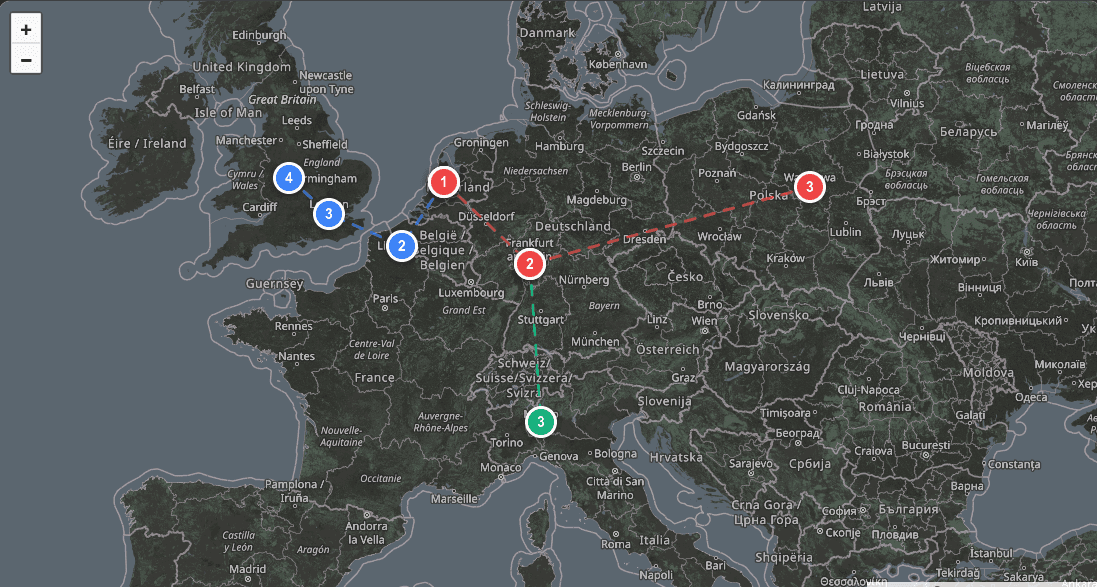
How to Build Supply Chain Routes
Learn how to build supply chain routes that search multiple locations simultaneously, saving 15 hours per month on property searches.

Warehouse Location Selection Strategy for Europe
A practical playbook for selecting industrial warehouse locations across Europe based on network design, not guesswork.

Find Warehouse Space in Europe: Complete 2025 Guide
Master the art of finding warehouse space across Europe with this comprehensive guide covering 9 countries, specialized search techniques, and time-saving automation strategies.